
Blog
Smarter Home Care: What to Expect from Today’s Appliance Repair Company Pros
A reliable appliance repair company helps keep kitchens and laundry rooms running without friction. As home technology grows more advanced, technicians field a wider mix of issues—from sensor misreads to software quirks—alongside classic mechanical failures. Choosing the right partner starts with understanding how the industry approaches diagnostics, parts, safety, and long‑term performance, so you can make confident, budget‑wise decisions.
Smarter Diagnostics, Faster Answers
Modern appliances often communicate error codes, but those codes are only the starting point. A seasoned technician reads symptoms, verifies with meters and visual inspection, and checks manufacturer guidance before recommending next steps. This layered approach reduces guesswork and repeat visits. Expect clear explanations about what failed, why it failed, and how proposed repairs address the root cause rather than the surface symptom.
Parts Strategy and Repair Timelines
Parts availability can impact turnaround times. A well‑organized appliance repair company maintains strong sourcing channels and explains whether a part is in stock, on order, or requires special procurement. You should also receive clarity on part quality—whether an original component or an approved alternative—and how that choice may affect performance and longevity. Good communication around timelines helps you plan for downtime, especially for essential appliances you rely on daily.
Safety First, From Intake to Final Test
Appliance service involves electricity, heat, water, and moving parts. Safety‑minded pros arrive prepared with the right tools, protective gear, and lockout practices. They disconnect power and utilities as needed, protect floors and counters, and restore connections carefully. Before wrapping up, they run a final checklist to confirm proper operation, ensure there are no leaks or unusual noises, and leave the work area clean. Safe work habits are non‑negotiable and should be visible at every step.
Caring for Efficiency and Longevity
Many homeowners want repairs that not only fix the issue but also support efficiency. Clean seals, calibrated thermostats, balanced loads, and lint‑free vents help appliances use less energy and last longer. Ask your technician for maintenance pointers tailored to your models and usage. Small habits—like not overloading washers, cleaning condenser coils, and leveling refrigerators—can stretch the time between service visits and protect your investment.
A Practical Checklist for a Smooth Service Visit
A little prep can make your appointment quicker and more accurate. Use the checklist below to streamline communication and help your technician get right to the source of the problem.
1. Document symptoms: Note noises, smells, error messages, and whether issues are constant or intermittent.
2. Provide model details: Share model and serial numbers and any past repair history or recent changes in home power, water, or venting.
3. Clear the workspace: Move items off counters, empty the appliance if needed, and create safe access paths.
4. Check basics: Confirm breakers, water valves, and gas shutoffs are accessible; mention any building rules or parking limits.
5. List your priorities: Clarify preferences around repair versus replacement thresholds and timelines that matter to you.
6. Ask about parts and warranty: Understand parts sourcing, labor coverage, and what happens if a secondary issue appears.
7. Request care tips: Before the technician leaves, ask for maintenance guidance to help prevent a repeat issue.
Repair or Replace? Making a Confident Call
A trustworthy appliance repair company will outline options with transparency: what it takes to fix the problem now, potential related concerns, and how age, condition, and performance factor into the decision. The goal is to help you weigh convenience, cost, and reliability—not to push a quick fix or a premature replacement. With clear diagnostics, a thoughtful parts plan, and safety‑led service, you can keep essential appliances dependable and efficient for the long haul.
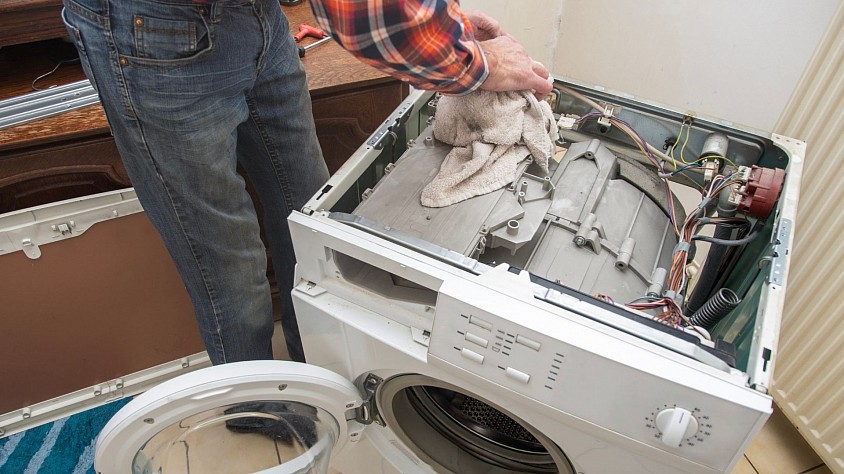
The Modern Home’s Guide to Choosing an Appliance Repair Partner
THE STATE OF TODAY’S APPLIANCE SERVICE LANDSCAPE
Households rely on refrigerators, ranges, dishwashers, washers, and dryers more than ever, and when something goes wrong, timing and trust matter. Finding an experienced technician, transparent scheduling, and clear communication can make the difference between a seamless fix and days of disruption. Partnering with an appliance repair company that prioritizes reliability and safety helps protect both your investment and your routine.
HOW TO SPOT QUALITY IN THE FIRST CALL
First impressions count. Pay attention to how the dispatcher handles your description of the problem and whether they ask clarifying questions. A dependable team will gather model information in advance, explain typical diagnostic steps, and set expectations for visit length. Look for respectful communication, options for appointment windows, and a straightforward overview of potential paths forward. A well-prepared technician is more likely to arrive with the right parts and tools, minimizing repeat visits and hassles.
SMART WAYS TO EXTEND APPLIANCE LIFESPAN
A few simple habits reduce wear and tear and help you avoid emergencies. Consistency is key: small, regular actions beat occasional deep cleans. Consider these practical steps that align with most manufacturer guidance and on-the-job experience from seasoned pros:
1. Clean refrigerator condenser coils and ensure proper airflow around the unit to prevent overheating.
2. Avoid overloading washers and dryers; balanced loads protect motors, belts, and bearings.
3. Rinse large food debris before running the dishwasher to keep filters and pumps clear.
4. Replace cracked or worn door gaskets on fridges and ovens to maintain efficient seals.
5. Keep dryer lint screens and the full vent path clear to support airflow and reduce heat strain.
6. Use oven self-clean features sparingly and only as directed to avoid thermal stress on components.
7. Level appliances to reduce vibration, noise, and premature component fatigue.
DIAGNOSTIC APPROACHES THAT SAVE TIME
Good troubleshooting starts with listening—both to the customer’s description and the machine’s behavior. Intermittent noises, error codes, cycle interruptions, and temperature swings are all valuable clues. A skilled technician will:
- Verify power supply and basic connections first.
- Replicate the symptom, if safe, to confirm the fault.
- Test the simplest likely failure points before moving to advanced components.
- Document readings and conditions to inform precise part selection.
This methodical flow avoids guesswork and unnecessary part replacements while protecting the appliance from avoidable damage. When an appliance repair company builds procedures around careful diagnostics, homeowners benefit from faster resolutions and clearer estimates.
SAFETY AND PARTS MATTER
Home safety is nonnegotiable. Technicians should unplug appliances or cut power at the breaker when appropriate and follow lockout practices where needed. For gas appliances, verified leak checks and proper ventilation are essential steps before and after a repair. Quality parts also matter: using components that meet the original specifications supports proper fit, performance, and longevity. Clear documentation of what was installed and why gives you confidence that the fix will hold under everyday use.
WHAT TO EXPECT AFTER THE VISIT
The service call shouldn’t be the end of the conversation. A thorough professional explains what failed, how it was corrected, and what to watch for next. Expect practical maintenance tips specific to your model, notes on any wear items nearing end of life, and guidance on when a follow-up might be wise. If a return visit is required, a reliable scheduler will lock in details and share timing updates. This level of transparency from an appliance repair company helps you plan, budget, and keep your home running smoothly.
THE BOTTOM LINE FOR BUSY HOUSEHOLDS
When you evaluate providers, weigh responsiveness, diagnostic rigor, safety practices, and clear communication just as heavily as availability. With the right partner and a few preventive habits, you can reduce downtime, stretch appliance lifespans, and keep daily life on track without surprises.